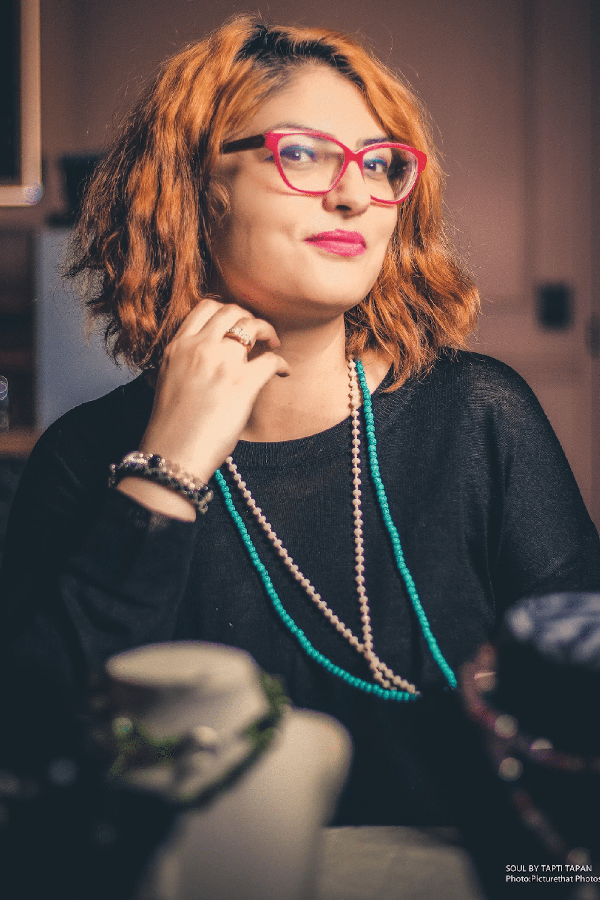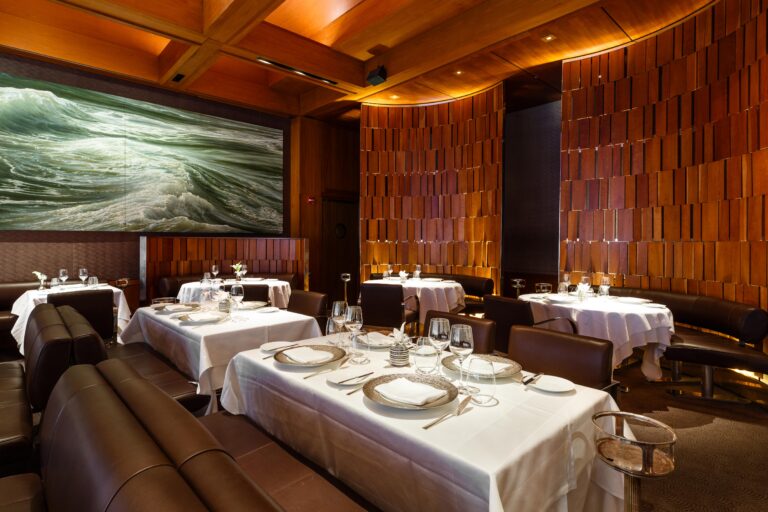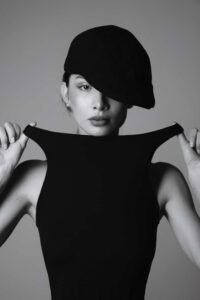
luliia Zubova is a portrait photographer originally from Moscow, Russia, whose work blends emotion, storytelling, and a refined visual language. Introduced to photography at an early age by her father, she began shooting at 14 and later studied at the British Higher School of Art and Design. Specializing in portraiture, lulia focuses on capturing authenticity, individuality, and the quiet beauty that makes every person unique.
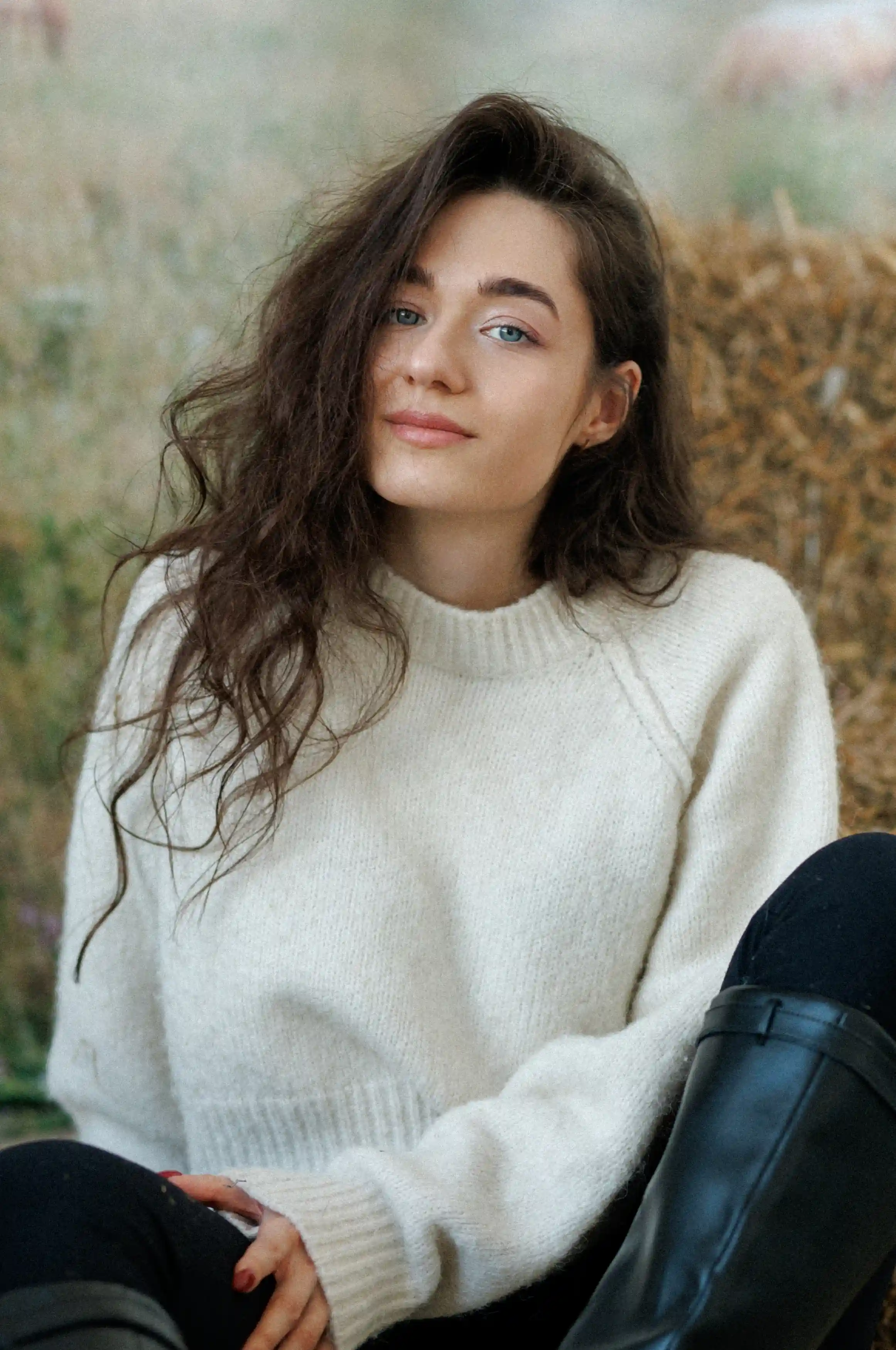
“Beauty lives in honesty, emotion, and the smallest details.”
You were born and raised in Moscow, Russia. How did your early life and surroundings influence your creative vision?
Growing up in Moscow shaped my creative vision through the way I learned to notice details, light, colors, and the atmosphere of everyday life. I have always felt that I have a strong visual memory, and since childhood I was very drawn to creativity. I loved drawing, observing small details around me, and finding beauty in things that could seem ordinary to others.
A very important moment for me was when my father introduced me to a camera. It was a film camera, and I remember how much I loved taking photos and seeing them later, when we would hang them on the refrigerator 🙂 That made photography feel very personal and emotional to me. I think from an early age I was always moving toward art, and those first experiences helped me build a visual language based on memory, emotion, and attention to detail.
You started practicing photography at the age of 14. What first inspired you to pick up a camera?
As I mentioned before, my father had photography as a hobby, and I remember him always holding a camera. For me, the camera was connected not only with images, but also with the time we spent together. He taught me how to see a frame, how to work with light, how to be involved in the moment, and how to notice things more carefully.
When I was 14, a photography club opened at my school, and I started going to every class. I was very dedicated and almost never missed a lesson. I also did my photography homework together with my father, so it became something meaningful for both of us. A couple of years later, when my parents realized that I was truly in love with photography, I started taking courses at VGIK, one of the leading cinematography universities in Moscow, where I studied photography more seriously.
The education there was very classical: we learned the foundations, Photoshop, composition, technical camera settings, and how to work correctly with an image. But I felt that something was missing, because for me photography has always been much more than technical precision or doing everything “correctly.” It is about emotion, vision, memory, and storytelling. I am incredibly grateful to my father for opening this beautiful world to me, and to my mother, who never doubted me for a second and always supported me. I truly believe that this kind of support from parents at such a young age plays a huge role. By the way, I also have a twin sister, and you would be surprised how different we are. She has always been more drawn to exact sciences, chemistry, and biology, while I was always closer to art and photography. But despite our different interests, she has always supported me a lot.
Was there a particular moment when you realized photography could become your career?
To be honest, I think I always felt that photography would become the main direction of my career. It was never just a hobby for me – it was the thing I kept returning to, no matter what else I tried to do.
After I finished university, I think I understood it even more clearly. I realized that photography was not something temporary in my life, but something deeply connected to who I am and how I see the world. Even when I explored different paths, I always came back to my own visual language, to images, stories, light, and emotion.
So I would not say there was one dramatic moment when I suddenly realized it. It was more like a quiet certainty that had always been there, and with time it became impossible to ignore.
What led you to study at the British Higher School of Art and Design, and how did that experience shape your artistic approach?
At some point in my life, I realized that I was interested not only in photography, but also in art and design as a whole. After finishing school, I decided to try myself in design, because I had always been fascinated by interior design, object design, and the idea of creating something visual in a broader sense. I also dreamed of learning 3D modeling, but most importantly, I wanted to learn how to think more creatively. What made the British Higher School of Art and Design different for me was that it did not focus on the classical approach I was trying to move away from. Instead, it encouraged creative thinking, experimentation, and the development of your own personal style.
That approach felt very close to me, because I wanted to understand not only how to make something technically correct, but how to make it meaningful and visually honest. After graduating, I felt a strong desire to return to photography, but this time more seriously and with a completely different mindset. I started experimenting a lot and photographing different things in order to find my own direction. That experience helped me become more open, more flexible, and more attentive to my own visual language.
Which lessons or mentors from your education had the greatest impact on your development as a photographer?
Perhaps the most important lesson I took from that experience was not to be afraid to try, experiment, test new ideas, take risks, and trust my own voice. It taught me that creativity does not always come from following the “right” path or doing everything perfectly. Sometimes the most honest and interesting results appear when you allow yourself to explore, make mistakes, and listen to what feels true to you.
After graduating, you joined one of Moscow’s leading photography studios. How did that opportunity come about?
It happened quite unexpectedly. I saw a post on Instagram saying that one of the leading photography studios in Moscow was looking for a full-time team member. I did not think about it for too long and decided to apply, because it combined so many things that I loved: photography, creative people, and interior design. In Moscow, interior photography studios are quite developed, and that world felt very close to me.
I was honestly very happy when they hired me. At that time, I was also exploring many different types of photography on my own. I photographed interiors, products, events, and even weddings. It was a very exciting period, because I was constantly learning, trying new things, and slowly understanding what direction felt the most natural for me.
You played an active role in the studio’s development. Can you tell us more about your responsibilities and the projects you worked on?
Yes, I played a very active role in the studio’s development, and my responsibilities went far beyond daily administration. The studio worked with major Moscow television channels, well-known production teams, and top shows, so many projects required a high level of preparation, coordination, and visual control. I was involved both in organizational processes and in the creative side of production, helping make sure that each project was prepared professionally and matched the visual expectations of the client.
My role included creative production, studio development, visual direction, coordination of creative teams, and communication with clients, photographers, stylists, producers, and other people involved in the shoots. I helped prepare the studio spaces for different types of projects, worked with interiors and styling, and paid close attention to every detail, because in a professional photography studio every object in the frame has to serve a purpose and support the overall visual concept.
I was also involved on set from a technical and creative perspective. I helped with lighting, assisted during shoots, coordinated the workflow, and made sure that the space was ready for photographers and production teams. In addition, I created photographs and visual content for the studio’s promotion, helping present the studio’s interiors, atmosphere, and creative possibilities to future clients.
This experience gave me a very deep understanding of how the photography and production industry works from the inside. I was not only supporting individual shoots, but also helping shape the studio as a creative platform where photographers, brands, television teams, and other industry professionals could bring their projects to life.
Looking back, what have been the most significant milestones in your photography career so far?
I would definitely say that one of the most significant milestones in my photography career was working at the photography studio. It gave me the opportunity to try many different lighting setups, work with people from different parts of the industry, collaborate with production teams, and organize my own personal photo projects.
During that time, I learned so much not only about photography, but also about the creative process as a whole. I began to understand that creativity has no real limits or strict frames – most of them exist only in our minds. That experience helped me become braver, more open, and more confident in my own vision.
In the end, I realized that creativity is probably the most honest language for me. It allows me to express emotions, ideas, and stories in a way that feels very natural and sincere.
How would you describe your photographic style and the stories you aim to tell through your images?
While working at the studio, I realized that one of the most important parts of photography for me is the process itself. I love photographing people and showing their beauty through my images. For me, a photoshoot is not only about the final picture – it is about the whole journey from the first idea to the final result.
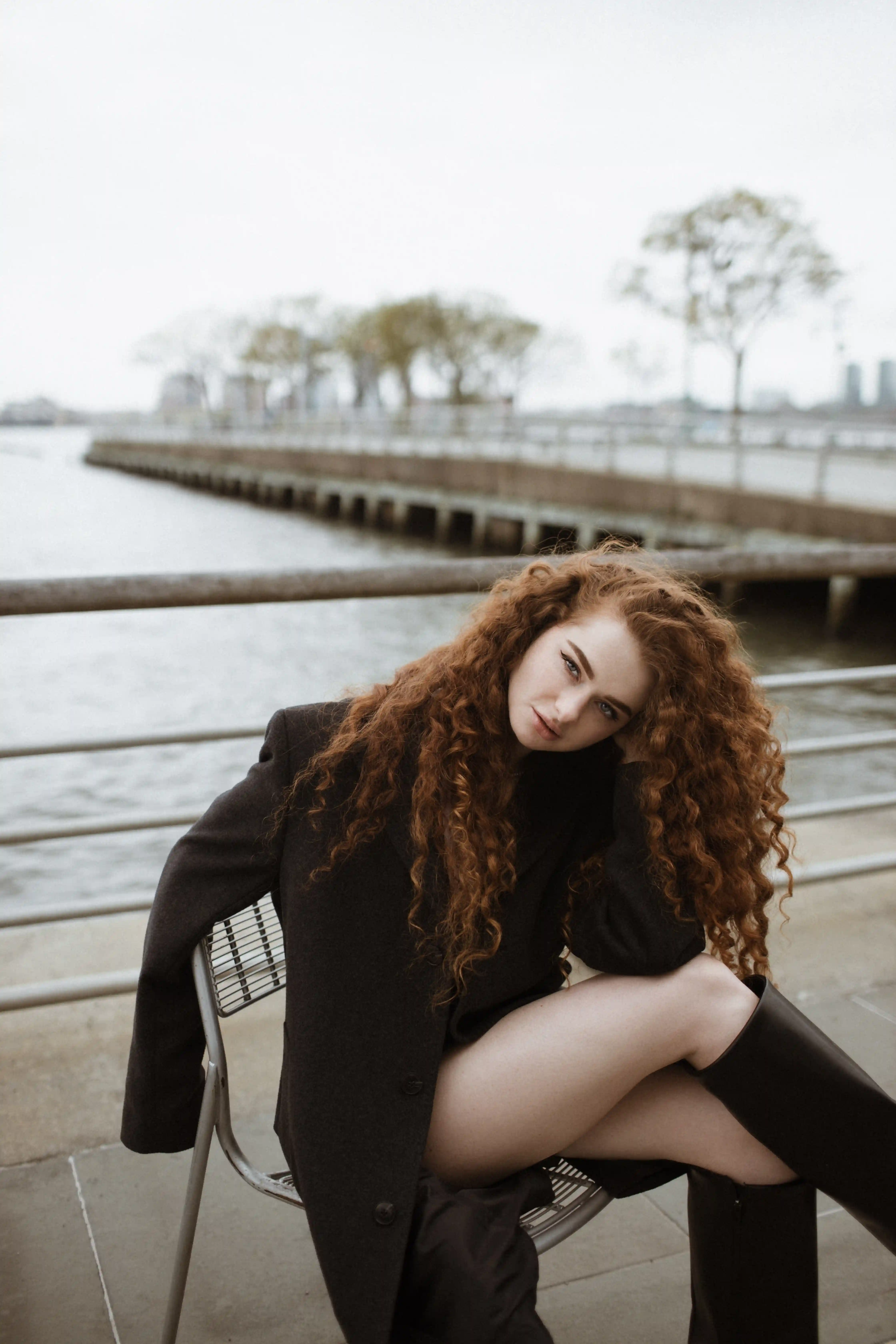
I specialize in portrait photography, and what matters most to me is truly seeing the person in front of the camera. I want to understand them, help them feel comfortable, and reveal something authentic about them. This process of discovering a person through photography feels very special to me.
I also love styling a shoot, choosing the right location, building the atmosphere, and reading emotions during the process. I would describe my style as emotional, thoughtful, and focused on individuality. Through my images, I want to tell stories about beauty, character, vulnerability, and the quiet moments that make each person unique.
How do you build trust and connection with the people you photograph?
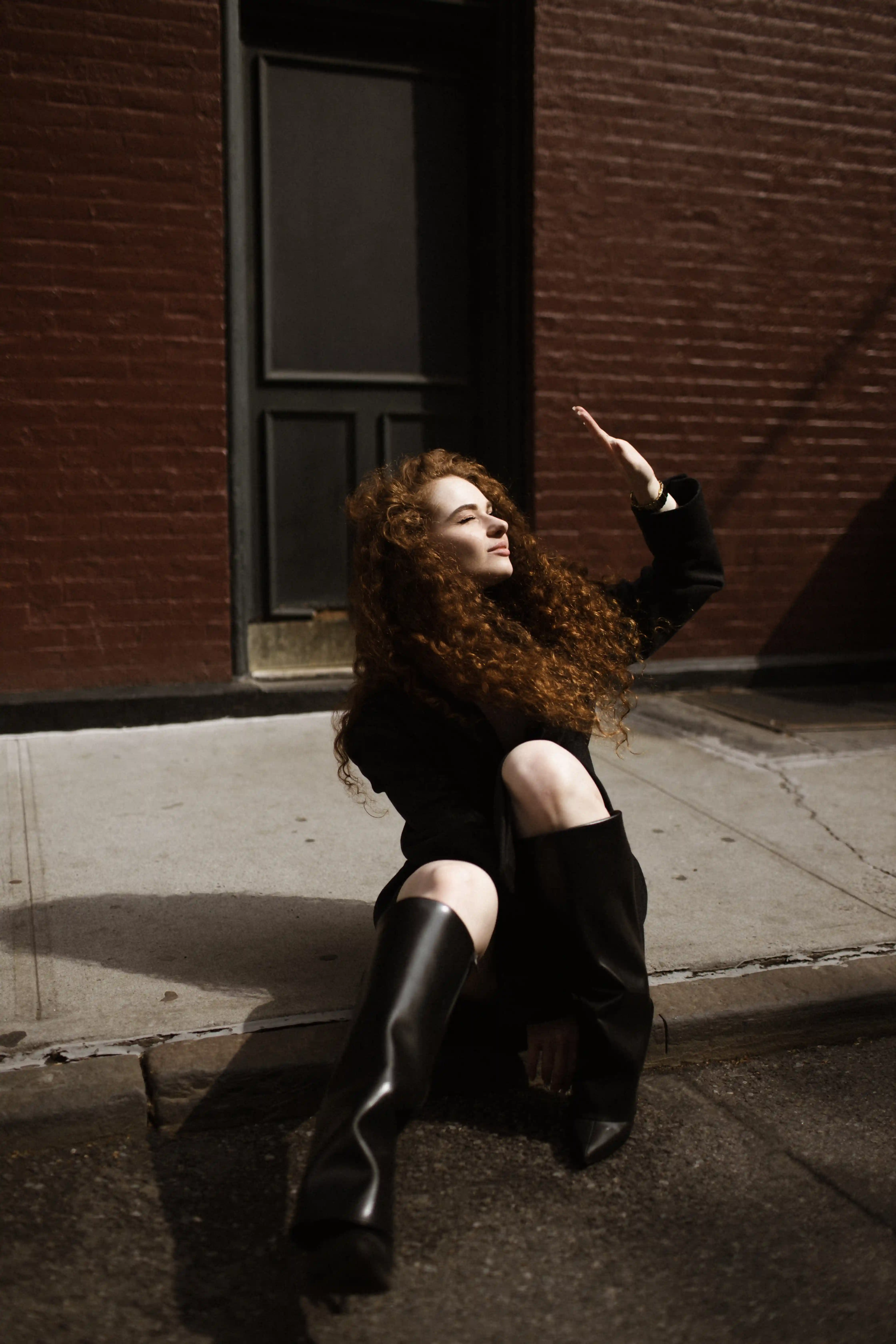
I believe people trust me because I am very open and sincere with them. I never want a photoshoot to feel cold or staged – I want it to feel like a real conversation between me and the person I photograph.
For me, the process is just as important as the final image. I try to create a space where a person can relax, be themselves, and slowly open up in front of the camera. I think that is where real beauty appears – not in perfection, but in honesty, emotion, and the small moments when someone feels truly seen.
What challenges have you faced throughout your journey, and what have they taught you?
One of the biggest challenges for me was learning to trust my own vision. In the beginning, I was often focused on doing everything “correctly” – the right light, composition, and technical settings. But with time, I realized that photography is not only about precision. It is also about emotion, honesty, and the way I personally see the person in front of me.
Trying different directions also taught me a lot. I photographed interiors, products, events, weddings, and portraits before I understood that portrait photography felt the most natural to me. These experiences taught me to be patient, to experiment, and to accept that finding your own creative path takes time.
How has the photography industry evolved since you first started, and how have you adapted to those changes?
Of course, the photography industry is constantly changing, and I believe you have to keep learning all the time. I always study new lighting setups, experiment with different approaches, and adjust my color editing, because this is definitely not a field where you can stand still.
Even though I have a lot of experience in photography, I always try to stay in tune with the present moment and remain useful to the people and brands I work with. For example, when collaborating with brands, it is very important to understand current visual trends and bring a fresh, relevant perspective. Today, it is not enough to simply create a technically good image – the work also has to feel modern, alive, and connected to the audience.
Outside of photography, what hobbies or interests help you stay inspired and maintain balance in your life?
I love being active and spending time outdoors. I often go for walks, and I also really love traveling, because I believe that seeing new places and experiencing different cultures expands your perspective and gives you more inspiration. Also enjoy watching films and paying attention to the visual side of cinema – the colors, composition, light, and atmosphere. Cinematography is constantly evolving too, and I find a lot of inspiration in the way stories are told through images.
What advice would you give to aspiring photographers who are just beginning their careers?
My advice to aspiring photographers would be to not be afraid. Do not be afraid to try, to make mistakes, to experiment, or to do things differently. It is important to shoot as much as possible, because practice teaches you more than theory alone.
I would also say: do not listen too much to people who try to limit you or tell you that something is impossible. Of course, it is important to learn, study new things, and grow professionally, but you also have to find your own way, your own inspiration, and your own visual language.
Most importantly, do not give up. Photography is a creative field, and creativity is very personal. Not everyone will understand your work immediately, but that does not mean it has no value. I truly believe that every artist can find their own audience.
Looking ahead, what legacy or impact would you like to create through your work as a photographer?
Looking ahead, I would like my work to create an impact through honest, visually strong, and emotionally meaningful photography. For me, photography is not only about a beautiful image – it is about building a visual story that can represent a person, a brand, or a creative idea.
I want to continue working on portrait, brand, and creative projects where I can combine emotion, style, visual direction, and storytelling. I am interested in projects that feel alive and meaningful, whether it is a personal portrait, a visual story for a brand, or a creative concept made together with a team.
In the long term, I would like to be known as a photographer with a strong visual voice – someone who can understand people, see beauty, and turn ideas into memorable images.
And I also want to say a huge thank you to everyone who has been with me and supported me on this journey. It means an incredible amount to me. This support gives me so much strength, and I am truly grateful to every person who believes in me and my work.
Follow Iuliia @yuliazub
Interview by Jorgelina Escalante Infante
Interview posted: August 6, 2026